The Moment That Sticks
We all have those moments. The ones where our brain takes a snapshot to go along with something unrelated but otherwise significant: where were you on September 11th, for your first kiss, when you first held your child.
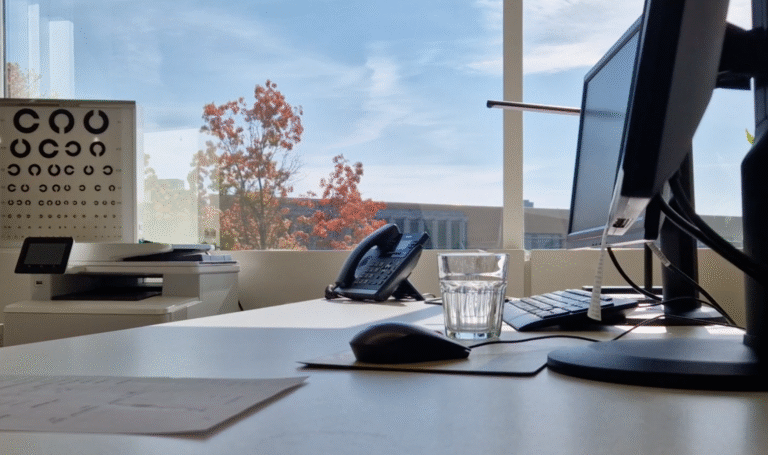
I can still remember that scene – the off-white walls, the distant hum of the hospital HVAC system, the smell of isopropyl alcohol burning at my nose – it was the room where I was told that I needed brain surgery.
I had a laugh, even. This news, so casually delivered, as if to say, “Wasn’t it obvious?”
The White Raven
Over my few years living in the Netherlands, I have come to terms with the directness of the Dutch way. It’s one of those stereotypes that tracks because it’s true, much like the obsession with wooden shoes, tulips, or running unsuspecting tourists out of the bike lane for sport. But the matter-of-factness in the way I received this news was jarring.
Maybe it’s because I really had no idea what was going on in my body. I Googled it after the aeromedical exam: Cushing’s syndrome, or disease, I didn’t know, and my GP at first refused to refer me to a specialist to have it checked out. “Chasing a white raven,” he called it. A waste of time. No one has that. But my confidence in this assessment fell when I saw him typing “What is Cushing’s disease?” into the ChatGPT window on his computer. That makes two of us, I thought.
But there I was, eight weeks later, in the office of an endocrinologist, being told I’d need brain surgery. That white raven had come to roost.
Saying It Out Loud
I can be an ‘oversharer.’ Sometimes I confuse it with openness… honesty. Don’t tell everything you know, my stepdad had always said… wise words, yet here I go again. But when I considered whether to write about all this, whether it would be volunteering information that should be forever hidden away in hospital files or only to my closest family and friends, I felt some unexplainable reason that it was a story wanting to be told: the people that I have met along the way, the late-night YouTube videos and conversations with ChatGPT trying to figure out what’s going on in my body. The MRIs and PET scans, the countless times that I’ve had to walk around in public with a jug of my own urine or some machine attached to me.
I don’t say any of this for sympathy or to be dramatic (as my wife will attest I am prone to), but just to give life to this story, one about what a discovery of personal wellness has meant, the way that I often do for other reasons.
I don’t really know how one is officially ‘diagnosed’ with anything, much less in the Netherlands. So in that room, after the talk of surgery, MRIs, the medications, I asked… “So… am I officially diagnosed?”
Eh? the doctor said.
I eloquently rephrased: Like… do I have it for sure?
Ahh, diagnose! the doctor said, with that Dutch ‘g’ that makes everything sound different. Yes, you have Cushing’s. I’m sure. That Dutch directness again.
With a coffee, a quiet space, and plenty of time, I am usually good at absorbing the gist of a thing, but I left that office barely knowing more about Cushing’s than when I walked in, even though it was apparently something that was living inside my head. But that night, with a few espressos, it began to become clear under the glow of my laptop.
Living With the Signal
Cushing’s is a disorder of the endocrine system in which an abnormal amount of cortisol is produced (in my case about 5x the normal amount). Cortisol, along with adrenaline, are hormones you release under stress meant to rise to the occasion when necessary. Temporary tradeoffs are made which are negligible in the short term, but if elevated for prolonged periods have profound effects on the body: your heart rate increases, your immune system slows down, blood sugar and insulin spike, your skin becomes thinner, your brain remains in a constant anxious state. One reason the disease is hard to diagnose is because these are all things that can be triggered for other reasons and have nothing to do with cortisol, which is why I lived with it for so long.
This is not to say that I was constantly walking around as if I were about to be attacked… my body, even in this abnormal state, had learned to cope in many ways. It was like living next to a railroad track: after a while, you don’t hear the trains anymore. But what I began to realize is it was a fragile balance. If you sent a train down those tracks unscheduled, suddenly my world fell apart.
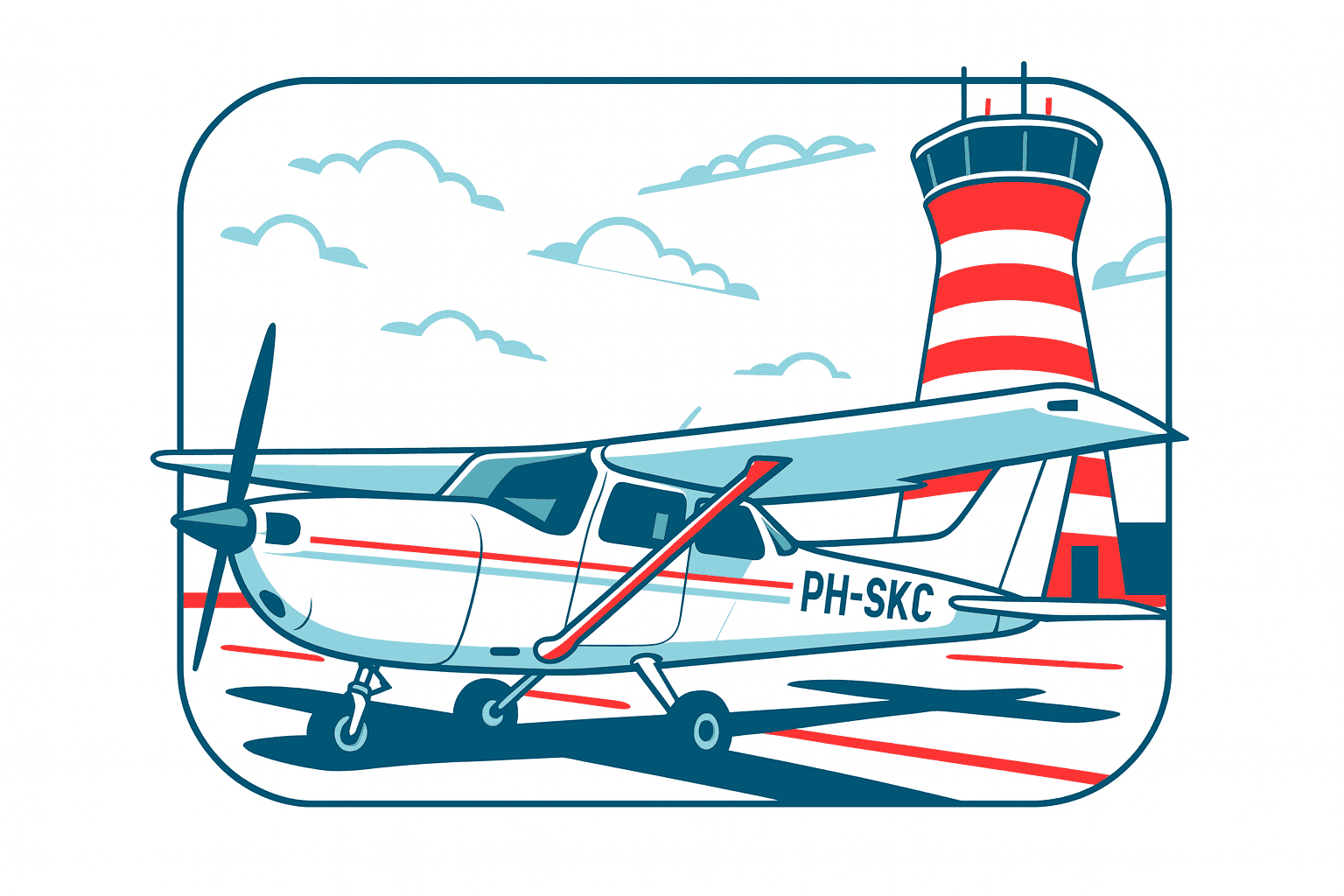
The treatment path seemed clear: I’d immediately start on medication to mitigate the excessively high cortisol, the suppressed immune system, the cardiovascular risk. And in the meantime we’d begin learning more about the source. The labs so far indicated that it was a pituitary microadenoma: a tiny tumor on a gland sitting behind your face that was signaling the adrenals to go into overdrive. Take out the source, and the body should go back to normal. And after three months of stability, I’ll be back in the sky. Easy, right?
I expected challenges when I took on learning how to fly… in the sky, in the classroom, in the simulator… but not this one. As I told the aeromedical examiner who brought this all to light on a hunch due to bruised legs and a peculiar weight distribution, I am grateful for it all. It’s brought my quest for a commercial pilot’s license to a grinding halt temporarily, but at the same time, I’ve learned how to prioritize wellness, slow down, know my mind and my body as I never have. I am learning I am not as invincible as I thought I once was, and that is a good thing to know.