A Flight from Phoenicia
Sometime in the early 9th century BCE, legend has it that after her husband was murdered by the jealous Phoenician king Pygmalion, the princess Dido fled her homeland of Tyre with a band of followers and a decent portion of the city’s wealth. At a time in which the entire “civilized” world – Babylon, Egypt, Greece – were neighbors of Phoenicia, the journey west was one fraught with danger and uncertainty. It was not totally into the unknown: Phoenicians, pioneers of the ancient world in exploration, trade, and seamanship, had planted colonies as far as Spain, and were even thought by some historians to have explored the Atlantic coast of Africa to modern-day Cameroon, a feat which would not be repeated until Portuguese explorers did it in the 15th century.
As the story goes, Dido left Phoenicia vowing never to return, stopping first in Cyprus, where she rescued eighty virgins from prostitution and a priest of Baal. From there, she followed the North African coast to what is now Tunisia, encountering the Berbers who inhabited the region. Eager for a new trading partner, they supposedly offered Dido and her followers land on the condition that it fit within the area of an oxhide. In response, she cut the hide into narrow strips and laid out the perimeter of Byrsa Hill, the citadel of Carthage. Whether true or not, the story speaks to the ingenuity and pragmatism that would come to define the Carthaginians.
From Phoenician Outpost to Mediterranean Power
This Phoenician outpost would grow to dominate the central and western Mediterranean. By the time Rome emerged as a power on the Italian peninsula, Carthage had already established trading networks and settlements in Sicily, Sardinia, and Spain. For generations, the city paid tribute to its founding metropolis of Tyre, but as Tyre declined under pressure from the east, Carthage became an independent power and ultimately outlasted its founders. The Phoenicians faded from the historical stage, and Carthage took their place.
After two unsuccessful wars with the now powerful Roman Republic, the vanquished Carthage was burned in a violent rage by victors for reasons still unclear among modern historians, and in the centuries since has been dominated by Romans, Byzantines, Ottomans, French, and now modern-day Tunisia. Each era has left its mark on the city, but now the cultural heart of the area is not the citadel of Byrsa, but the modern city of Tunis to the south.
A City Built Over
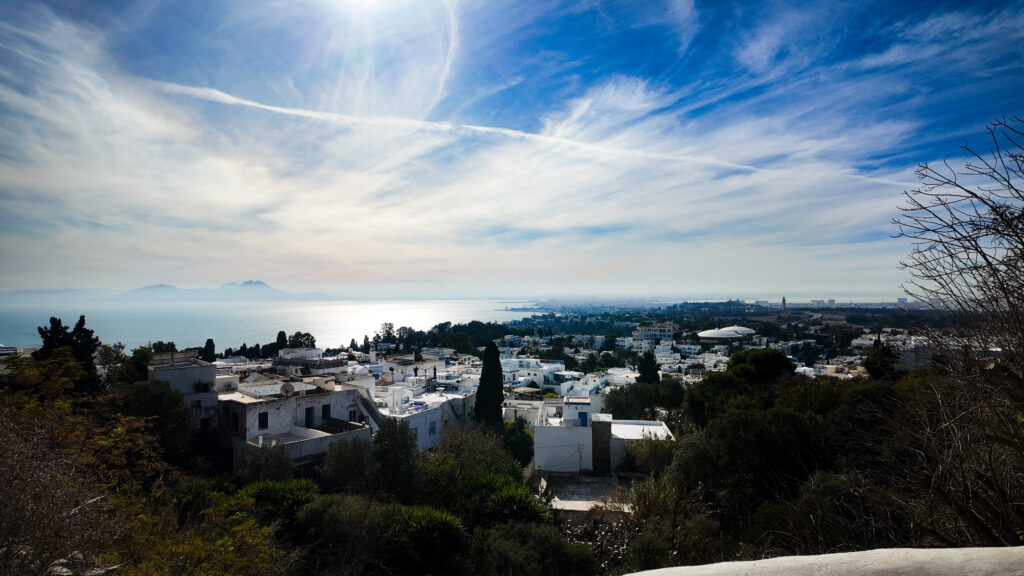
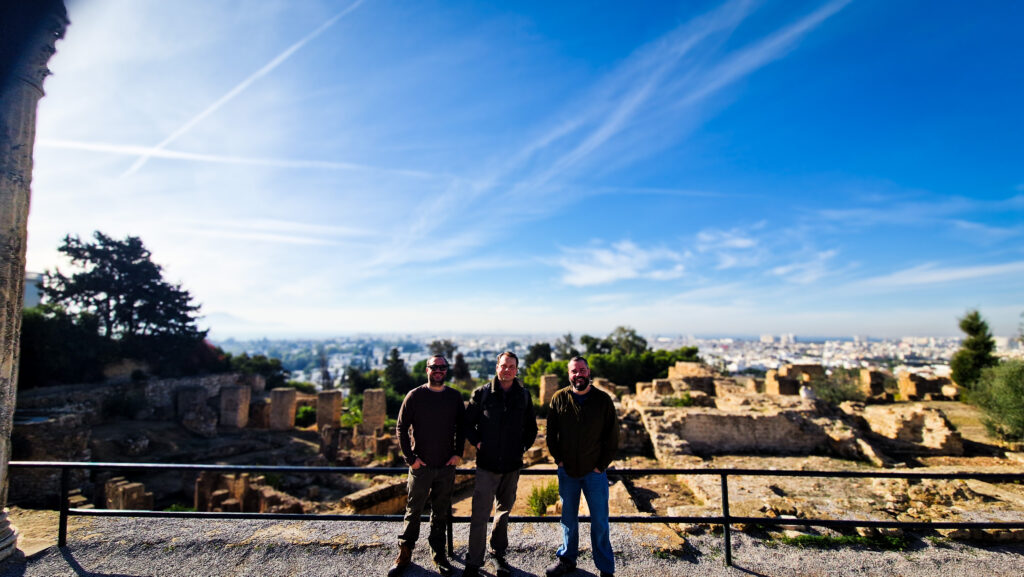
Today, one can visit this once mighty city just to the north of modern-day Tunis. Although an active archaeological dig and protected historical site, it is intertwined with the modern-day inhabitants of Tunis, whose homes are amongst the ancient stones which tower here, showcasing the ancient city’s might and modernity in its time. Life has gone on. We walked among these neighborhoods as if they were just another uninteresting block along I-25 in Denver, Colorado.
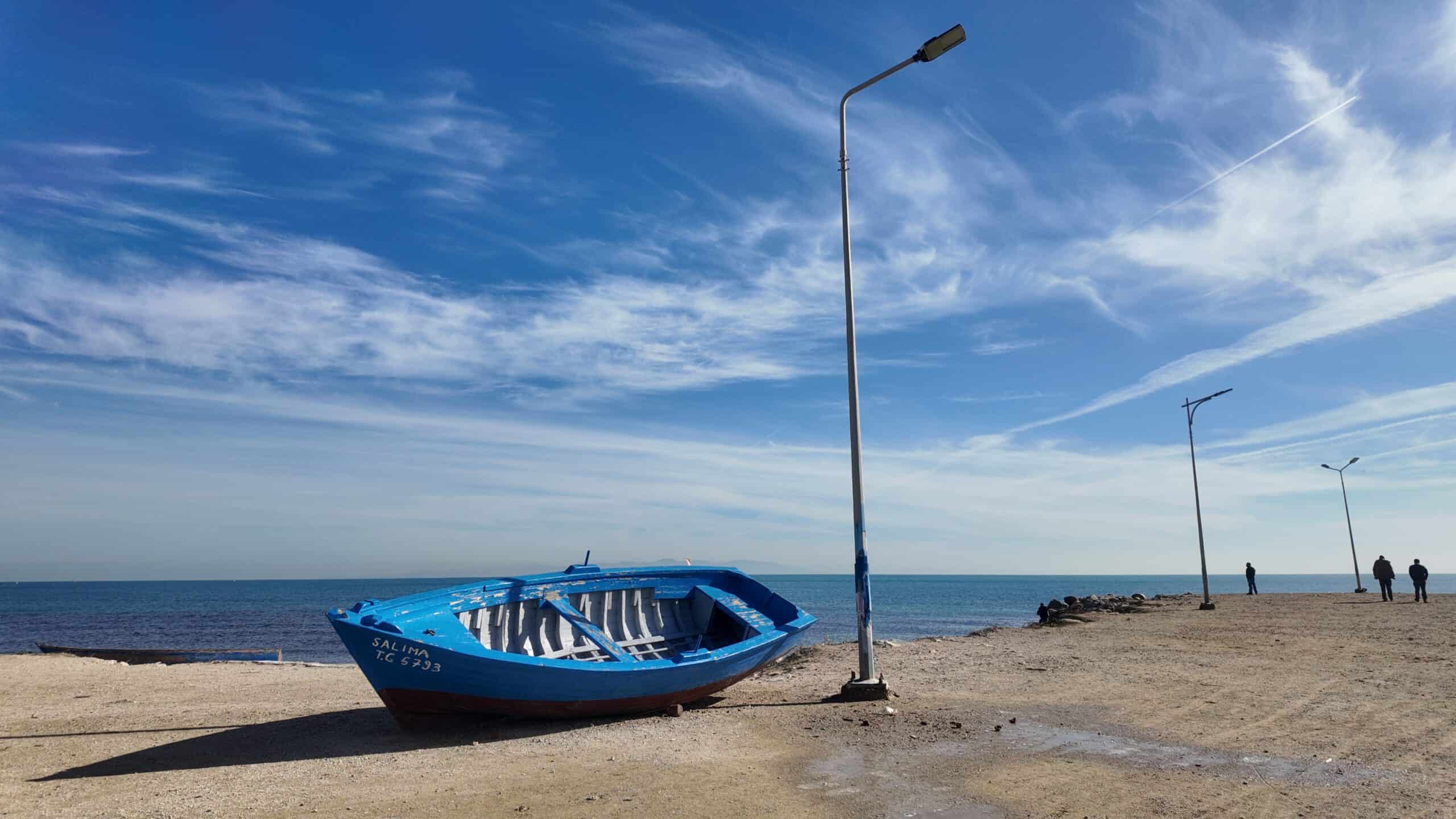
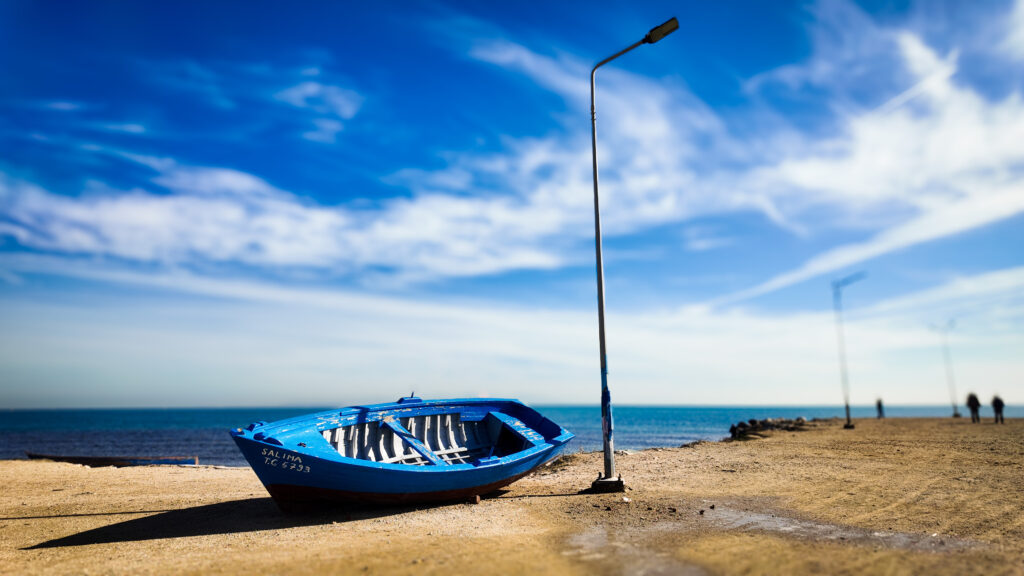
But these were different. Here there was an ancient stone wall that made up one side of a modern day house. It may have been Punic, Roman or Byzantine. I don’t know. And then a circular inlet of water, totally unimpressive had you not known that it was the footprint of the ancient harbor of Carthage, once home to the most powerful navy in the world and whose design and construction in its time was an engineering feat on par with the most impressive structures erected today. Yet here it was, routine as any other part of the city: old rowboats lining the shore, fish bones baking in the sun filling your nose as you walked by.
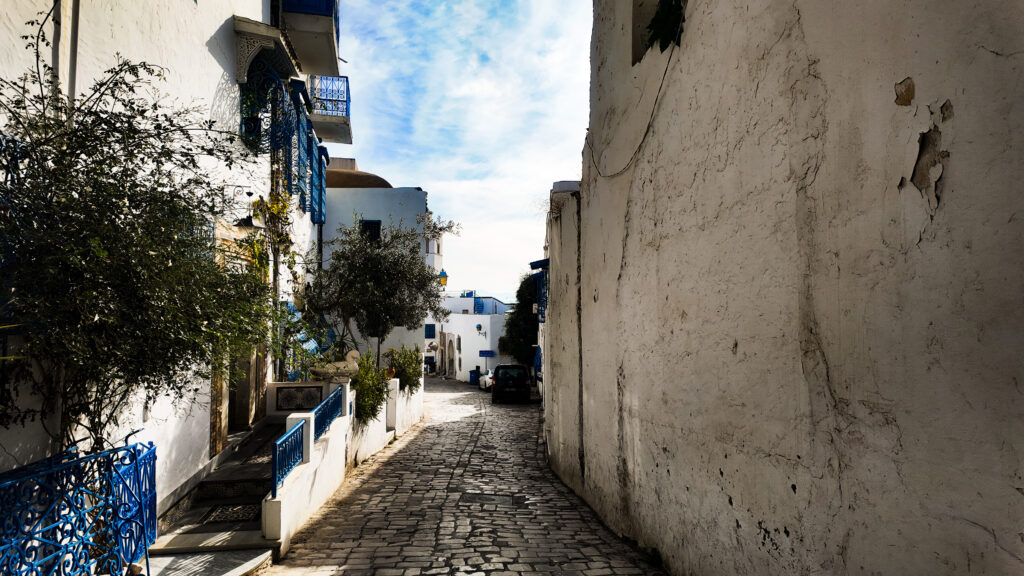
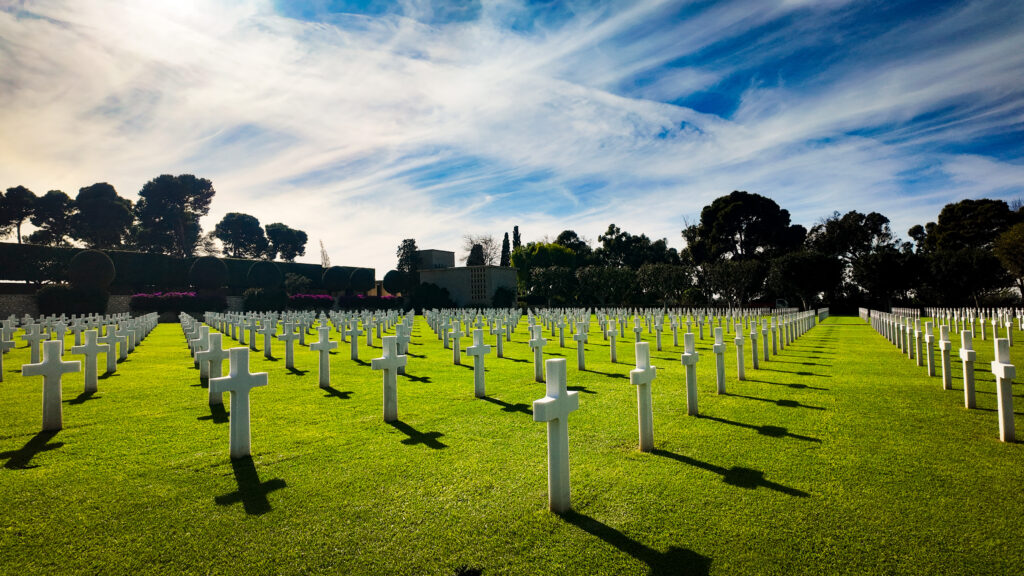
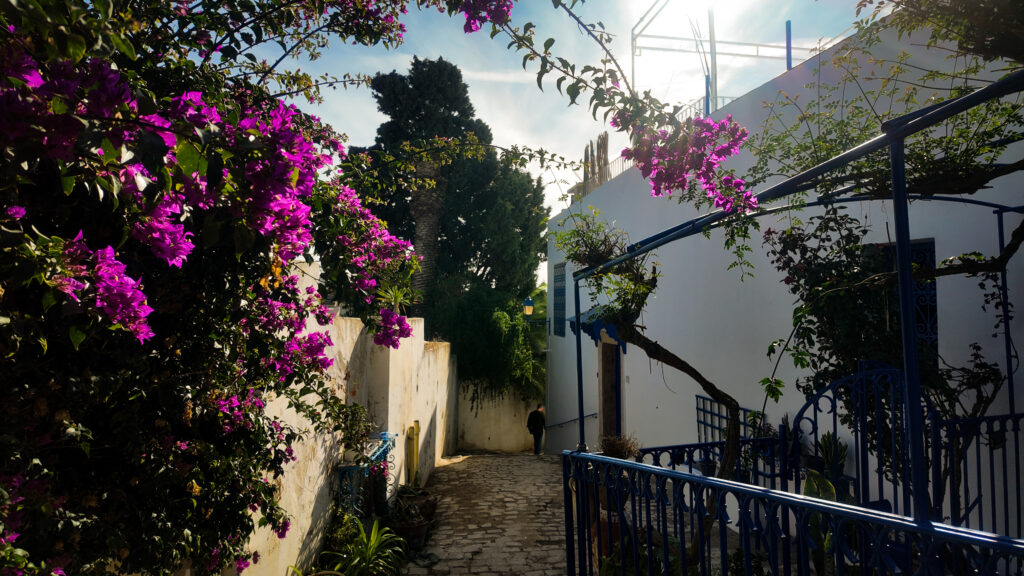
Initially, I was surprised, as if for the benefit of posterity the entire ancient city should have been in some walled-off enclosure, accessed only by well-regulated visitors and archaeologists hoping to uncover the city’s untold secrets. But that’s not how the world works: each people build upon the foundations of the last, and as decades turn to generations, and generations to eras, places like Carthage end up with a layered history visible to the naked eye, which is perhaps more fascinating than the snapshot that I had hoped for.
Tunis: Layers of Empire
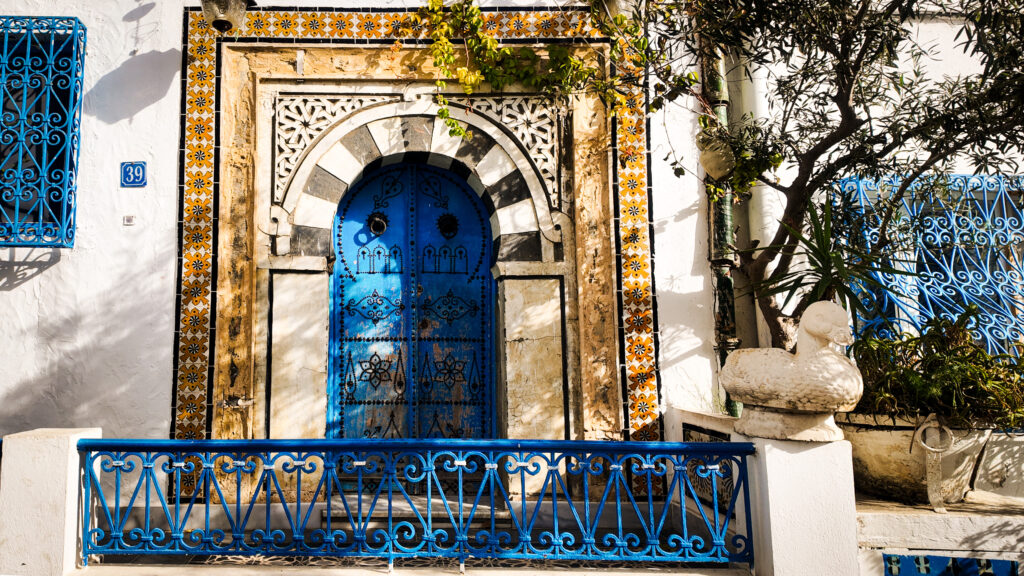
Tunis today is much more an image of its Ottoman and Islamic heritage than its ancient past. It is a culturally conservative yet very modern city that shows its diverse history: from its whitewashed courtyard houses in the Medina to the French colonial villas reminiscent of the time in which European powers sought to dominate. A hotel just at the edge of the Medina, flying the Union Jack alongside the scarlet Tunisian flag reminded of this too: it once was the British embassy. We stayed there the first night, imagining Winston Churchill roaming its hallways in 1942, a fat cigar clenched in his teeth, musing over the Allies’ next move after they had successfully swept across North Africa.
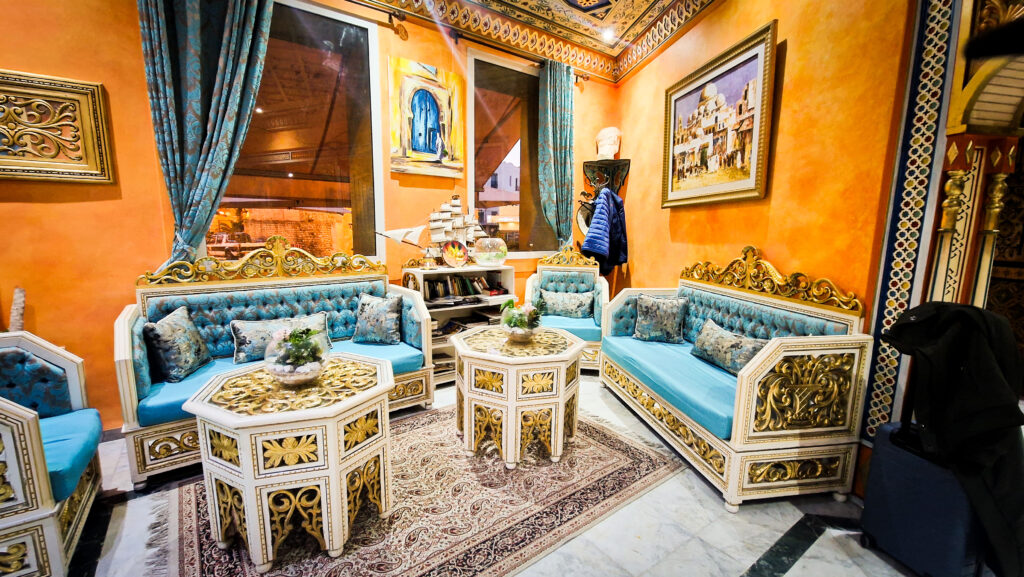
I do this often, though. Maybe too much. I imagine a place where the Romans went about their lives, or some monumental historical figure lounged in the afternoon sun. I can stand in a place and see it not as it is, but as it was… it’s a gift maybe, but also a curse – as I ignore the much more tangible thing: it is Tunisian. The thousands of people walking around me writing their own part of the city’s history just as the Romans did.
And when you open your eyes, it’s brutally obvious. The medina can be overwhelming. Our guide, Walid, led us through winding alleys packed with people and noise, spaces that would feel cramped even with half the traffic. The presence of the state remains visible. At one point, an accidental photograph of a police vehicle nearly cost me my camera.
In the end, Carthage and Tunis feel less like destinations and more a story that is still being told. This is not a place that presents its history neatly or asks to be consumed quickly. Instead, it reminds you that civilizations don’t disappear so much as they are absorbed, repurposed, and built over, their memories carried forward in street layouts, customs, and daily life. Standing among the ruins north of Tunis, it becomes clear that history here is embedded in the ground beneath your feet and the city all around you. And maybe that is Carthage’s final lesson: not one of empire or destruction, but of continuity, and the humbling realization that we, too, are just another layer waiting to be covered.